



Advanced Diabetic Retinopathy Screenings in Beaumont: OCT Imaging vs. Standard Pupil Dilation
Blog:Advanced Diabetic Retinopathy Screenings in Beaumont: OCT Imaging vs. Standard Pupil Dilation
Advanced Diabetic Retinopathy Screenings in Beaumont: OCT Imaging vs. Standard Pupil Dilation
Advanced Diabetic Retinopathy Screenings in Beaumont: OCT Imaging vs. Standard Pupil Dilation
Clear vision does not always mean diabetes has left your eyes unaffected. Diabetic retinopathy can develop before you notice symptoms, which makes regular screenings important. At Texas State Optical Dowlen in Beaumont, we use diabetic eye exams and diagnostic imaging to look for changes that could threaten your sight.
Patients sometimes ask whether OCT imaging can replace pupil dilation. These tools provide different information, and we may recommend both to assess your retinal health.
What Pupil Dilation Helps Us See
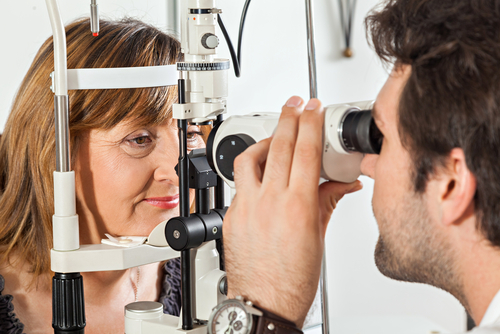
During a dilated eye exam, we place drops in your eyes to widen your pupils. This gives us a better view of the retina, the light-sensitive tissue lining the back of your eye.
We examine the retina for signs of diabetes-related damage, including small areas of bleeding, changes in blood vessels, and abnormal new vessel growth. Dilation also helps us evaluate areas beyond the central retina.
Although dilation is a familiar part of eye care, it remains an important tool for detecting diabetic retinopathy. Advanced imaging adds information without making this examination unnecessary.
How OCT Imaging Adds Detail
Optical coherence tomography, or OCT, uses light waves to create detailed cross-sectional images of the retina. Instead of showing only its surface, OCT reveals individual retinal layers and measures their thickness.
This is especially useful when checking for diabetic macular edema, which occurs when fluid builds up in the macula, the area responsible for sharp central vision. OCT helps us identify and measure swelling that can affect reading, driving, and recognizing faces.
At our Beaumont practice, we can also compare OCT scans over time to monitor structural changes. The scan is noninvasive and does not touch your eyes.
Why We May Recommend Both
The choice between OCT imaging and standard pupil dilation depends on what we need to evaluate. Each has a distinct role:
Dilated examination helps us inspect the retina and its blood vessels for visible signs of diabetic damage.
OCT imaging provides precise measurements and detailed views of retinal layers, particularly when macular swelling is suspected.
Combined findings help guide follow-up visits, additional testing, or referral to a retinal specialist when needed.
A normal OCT scan does not rule out every form of diabetic retinopathy. We select testing based on your medical history, symptoms, and examination findings.
Planning Your Diabetic Eye Exam in Beaumont
We recommend annual diabetic eye exams, with more frequent visits when your eye health requires closer monitoring. Bring your medication list and recent blood sugar or A1C information to help us understand your overall diabetes care.
Dilation may cause temporary blurry vision and light sensitivity. Bring sunglasses and arrange a ride home. If you develop sudden vision loss or a sudden increase in floaters, seek urgent eye care instead of waiting for your next screening.
Schedule your diabetic eye exam with Texas State Optical Dowlen in Beaumont, TX, by calling (409) 202-6547. Our team can explain which tests are appropriate for your eyes and help you stay proactive about your vision.
Quick Links
Helpful Articles
article_category: restorative
article_category: vision therapy
article_category: contact lenses
article_category: health
article_category: conditions
article_category: eye surgery co-management
article_category: exotic
article_category: cosmetic
article_category: products
article_category: psychiatry
article_category: faqs
article_category: cats
article_category: general
article_category: services
article_category: technology
article_category: dogs
article_category: surgical procedures
article_category: aesthetics
article_category: preventative
article_category: ocular disease management
article_category: eyeglasses
article_category: eye health
article_category: large animal
[]
Flowbite is an open-source library of interactive components built on top of Tailwind CSS including buttons, dropdowns, modals, navbars, and more.
Check out this guide to learn how to get started and start developing websites even faster with components on top of Tailwind CSS.

All Eyecare Services
We offer a wide variety of eye care services to the Beaumont community. Contact us with any questions about our services.

Keep In Touch
For non-urgent questions or to learn more about our services, contact us today!

Contact Information
Office Hours
- Monday 8:30am - 6:00pm
- Tuesday 8:30am - 6:00pm
- Wednesday 9:00am - 6:00pm
- Thursday 8:30am - 6:00pm
- Friday 8:30am - 6:00pm
- Saturday Closed
- Sunday Closed
- Monday
- Tuesday
- Wednesday
- Thursday
- Friday
- Saturday
- Sunday
- Monday
- Tuesday
- Wednesday
- Thursday
- Friday
- Saturday
- Sunday
© 2026 Texas State Optical. All rights Reserved - Accessibility Statement - Privacy Policy - Sitemap
Managed and Designed by 